L O J A F Í S I C A E M C U R I T I B A

Why Your Seed Phrase Backup and Firmware Updates Matter More Than You Think for Hardware Wallet Security

Okay, so check this out—when I first got my hardware wallet, I thought the hardest part was just not losing it. Really? That was my big worry. But wow, it turns out the real game-changer is how you handle your seed phrase backup and keep your device’s firmware current. Seems kinda obvious now, but back then, somethin’ felt off about just stashing my recovery phrase in a drawer and calling it a day.
Honestly, I was pretty casual about firmware updates at first. I figured, “If it ain’t broke, don’t fix it,” right? Wrong. Those updates can patch critical vulnerabilities that no one talks about until it’s too late. And the seed phrase—well, that’s basically the master key to your crypto kingdom. Lose it, or worse, expose it, and you’re toast.
My instinct said that handling these two aspects properly is more important than owning the fanciest hardware wallet. You can have the best device on the market, but if your backup strategy is sloppy or your firmware outdated, you’re basically waving a red flag for hackers. Hmm… maybe I should’ve realized this sooner.
Here’s the thing. Backing up your seed phrase isn’t just about writing it down on paper once and forgetting about it. Nope, it deserves a planned approach, including secure storage that’s resistant to fire, water, and nosy roommates (or worse, burglars). On one hand, you want accessibility in case of emergencies, but on the other hand, you can’t exactly sling your seed phrase around like a spare key under the doormat.
Initially I thought a simple safe deposit box at the bank was overkill. Actually, wait—let me rephrase that—it’s probably the smartest move for anyone serious about security. Though, I get it, not everyone has access to that or feels comfortable trusting a bank. So people use metal seed storage devices, encrypted digital backups, or even split their seed phrase into parts and store them separately. Each method has its quirks, but all aim to avoid the nightmare of seed phrase loss or theft.
Firmware updates, on the other hand, are a different beast. They fly under the radar for many users because the process can seem intimidating or just plain annoying. But here’s the kicker—manufacturers like Ledger regularly release patches via their ledger live app that fix vulnerabilities and improve device performance. Ignoring these updates is like leaving your front door unlocked with a sign saying “Come on in!”
Oh, and by the way, not all updates are created equal. Some contain major security fixes, while others add features you didn’t even know you needed. I remember one update that fixed a critical vulnerability allowing for potential unauthorized access when connecting to compromised USB hubs. Seriously? That blew my mind. It’s easy to underestimate how a tiny piece of code inside your hardware wallet can mean the difference between safe storage and total loss.
Still, I get the hesitation. Firmware updates require a computer, a connection, and a bit of patience. Plus, you’re trusting that the update itself isn’t compromised. That’s why official channels like the ledger live app are crucial—they provide a verified way to manage updates without exposing you to unnecessary risk.
One thing that bugs me about the whole hardware wallet ecosystem is the gap between user convenience and security. People want easy, frictionless experiences but crypto security demands vigilance and sometimes uncomfortable trade-offs.
For example, consider this: some users might think storing a seed phrase in a cloud storage service is fine because it’s encrypted and backed up. Hmm… but what if that encryption key gets leaked or someone hacks the cloud account? Suddenly, your supposedly safe backup becomes the Achilles heel. It’s a reminder that security isn’t just about tools, but also about habits and mindset.
Really, the best practice is to use a combination of physical and digital safeguards. Metal backups for durability, stored in secure locations, plus keeping your device firmware fresh using trusted tools like ledger live. This layered approach is less about perfection and more about resilience.
Here’s a little twist: some hardcore users split their seed phrase using Shamir’s Secret Sharing scheme, distributing parts to trusted parties or locations. Sounds fancy, right? Well, it’s effective—except when one of those parties disappears or forgets their part. So, there’s always a human element in the chain that can’t be ignored.
And, uh, a quick side note—if you’re someone who’s ever scribbled your seed phrase on a Post-it and stuck it under your keyboard, just stop. Please. It’s a common rookie mistake, but it’s like leaving your house keys in the mailbox. I’m biased, but I’ve seen too many horror stories to sugarcoat this.
Check this out—when I updated my Ledger device last month using ledger live, I realized how seamless the process has become. It took a few minutes, and the app even verified the update’s authenticity before installing. That’s reassuring in a world where supply chain attacks are a growing threat.
Still, I’m not 100% sure everyone knows to actually do these updates regularly. The UI could be more proactive with reminders, but then again, crypto culture tends to attract self-starters who like to read manuals and dive deep. For casual users, though, there’s definitely room for improvement.
So, what about the worst-case scenario? Losing your seed phrase or messing up a firmware update? Well, losing your seed phrase is essentially an irreversible death sentence for your crypto holdings. No customer service hotline or password reset can save you. Firmware glitches can sometimes brick your device temporarily, but recovery is usually possible with the right steps and backups.
One thing I learned the hard way: always double-check the device’s screen when confirming a firmware update or a transaction. Your eyes are the final gatekeeper. Hackers can’t mess with what you physically verify on your hardware wallet’s screen—at least not without some next-level tricks.
And yes, there’s always a tension between usability and security. Hardware wallets aren’t as simple as a Venmo app, but that complexity is the price of owning your own keys. If you’re serious about crypto safety, you have to embrace a bit of that friction.
Anyway, I’m still figuring out the best personal setup for my seed phrase backups. I’ve got a metal backup buried in my safe deposit box, a digital encrypted copy in a password manager I trust, and I keep my Ledger device firmware up-to-date through the official ledger live app. It’s not perfect, and I worry about the human factor more than the tech sometimes.
Something about this whole process makes me think of the old saying, “Trust, but verify.” With crypto, you’ve gotta trust your own security habits and verify everything regularly. No shortcuts.
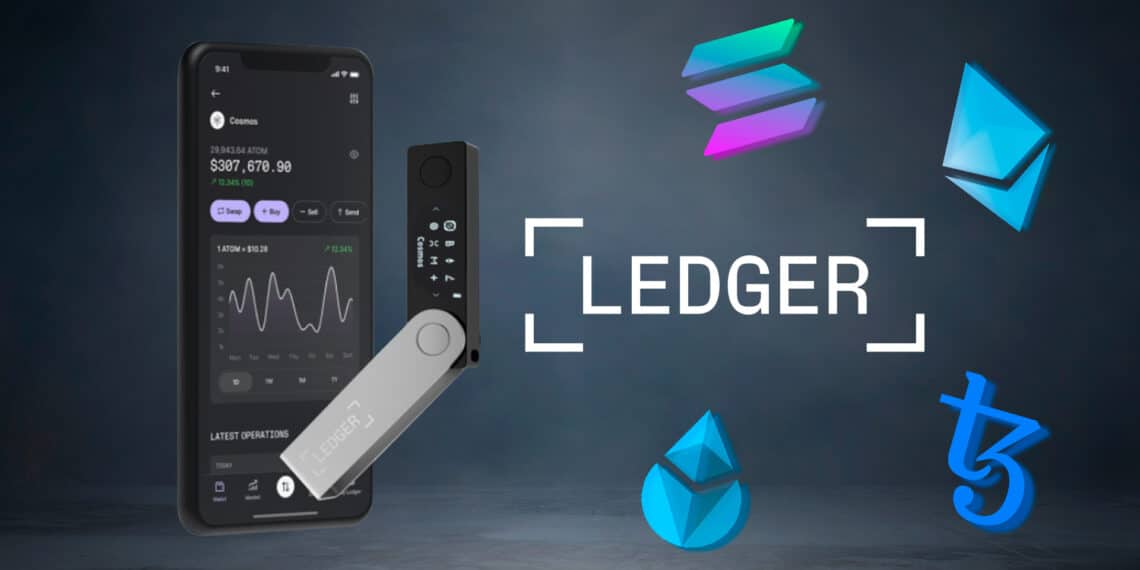
So yeah, if you’re looking to max out your crypto security, don’t just buy a hardware wallet and forget it. Think through your seed phrase backup strategy carefully, treat your firmware updates like mandatory maintenance, and keep learning. The ecosystem evolves fast, and staying ahead is a mix of tech savvy and common sense.
Common Questions About Seed Phrases, Hardware Wallets, and Firmware
Why is my seed phrase so important?
Your seed phrase is essentially the master key to your crypto wallet. Anyone with access to it can control your funds, so backing it up securely is critical to preventing loss or theft.
How often should I update my hardware wallet’s firmware?
Generally, update as soon as you get a notification from the official app like ledger live. Updates patch security holes and improve functionality, so don’t delay.
Can I store my seed phrase digitally?
It’s possible but risky. Digital storage can be hacked or corrupted. If you do choose digital backups, ensure they are encrypted, offline when possible, and complemented by physical backups.
What’s the best way to protect my seed phrase from physical damage?
Many users recommend metal seed phrase storage devices, which are fireproof and waterproof, protecting your backup from natural disasters better than paper.
